The Rise of AI-Enabled Phishing Attacks

As more organizations increasingly integrate artificial intelligence (AI) technologies to streamline operations and enhance productivity, cybercriminals exploit these advancements to launch sophisticated and highly targeted phishing campaigns. AI-driven phishing attacks mark a significant shift in the cyber threat landscape. They combine AI capabilities with traditional phishing techniques to trick users and gain access to sensitive … Read more


Overview of the Death Master File (DMF) Certification

The Death Master File (DMF) is a crucial database containing information about deceased individuals. Accessing DMF data requires rigorous certification to ensure data security and privacy. However, navigating this process unlocks the full potential of DMF data, facilitating business growth, regulatory compliance, and fraud risk mitigation. The DMF certification offers enhanced credibility, improved fraud prevention, … Read more

The Essential Guide to SWIFT CSCF Compliance for Financial Institutions

Financial institutions worldwide rely on the Society for Worldwide Interbank Financial Telecommunication (SWIFT) network for secure and efficient international transactions. However, with the constantly growing cyber threats, ensuring the integrity and safety of this network is of utmost importance.This is where the SWIFT Customer Security Control Framework (CSCF) is essential. The SWIFT CSCF is a … Read more

Risks Associated with SOC 2 Software Tools and How To Mitigate Them 

The SOC 2 examination process is a pivotal step in assessing an organization’s adherence to stringent security standards. This examination is instrumental in ensuring service providers handle sensitive data carefully, meeting their clients’ trust and security expectations. However, as organizations strive for efficiency and precision in their operations, incorporating software tools into the SOC 2 … Read more

Enhancing SOC 2 Examination with Software Tools and Service Auditor Expertise

SOC 2 examinations have become a ”must-have” rather than a ”nice-to-have” business component; they provide assurance that organizations adhere to stringent controls for data protection and system reliability. As a result, many companies pursue SOC 2 examinations to demonstrate trustworthiness and commitment to safeguarding customer data by evaluating security controls and processes relevant to critical … Read more

Unveiling NIST CSF 2.0: Key Features, Changes, and Implementation Insights

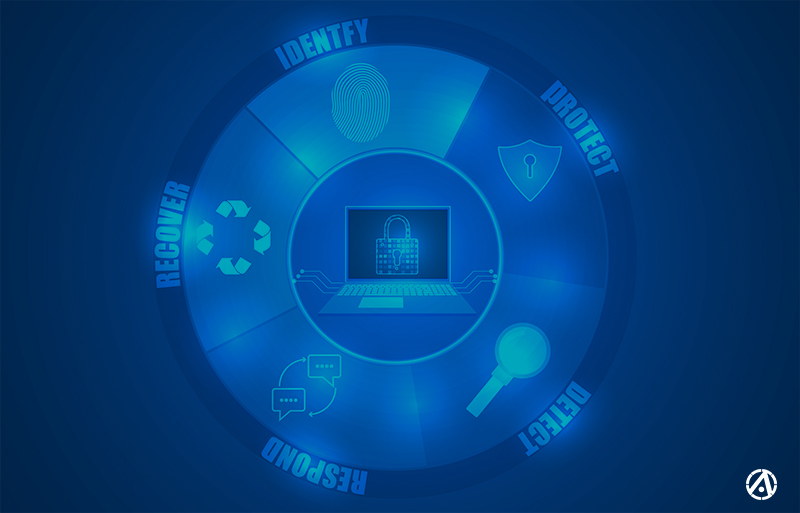
The National Institute of Standards and Technology (NIST) has released the Cybersecurity Framework (CSF) 2.0, an updated version of the previously adopted CSF 1.1. This new version addresses the constantly evolving landscape of cybersecurity threats and challenges and incorporates feedback from various stakeholders to ensure it remains relevant and effective for today’s needs.  Previously, some … Read more

Top 5 Signs It’s a Phishing Scam (and Tips to Protect Yourself)

Fishing hook on a digitized background

While the internet is a powerful tool that connects us with one another and helps us share information, it’s also a perfect tool for criminals to conduct phishing scams. Phishing remains the top social-engineering infection vector, according to IBM’s 2022 Cost of a Data Breach Report. But what cybercriminals are after might surprise you. It … Read more

What Industries Need Which Cybersecurity and Compliance Solutions?

A cybersecurity framework establishes a universal language and standardized set of guidelines enabling security leaders to comprehend their security positions and those of their vendors, Here are six cybersecurity frameworks and the industries they were designed to support. NIST (National Institute of Standards and Technology) The NIST framework provides a set of guidelines for organizations … Read more

What is a SOC Report and Why Does My Company Need One?

What is a SOC Report and Why Does My Company Need One?

The American Institute of Certified Public Accountants (AICPA) has responded to the increase in cybersecurity attacks by publishing the Cybersecurity Risk Management Reporting Framework, also known as the System and Organization Controls (SOC) for Cybersecurity. In a SOC for Cybersecurity report, a CPA reports on an organization’s enterprise-wide cybersecurity risk management program. Why Are SOC … Read more