The Role of SOC Reports in Building Client Trust and Transparency

System and Organizational Controls (SOC) reports offer a transparent view of an organization’s security posture by reporting its relevant organizational and technological controls as it relates to specific services. They provide clients with valuable due diligence and insights into an organization’s security, availability, processing integrity, confidentiality, and privacy posture, thus building transparency and credibility as … Read more


Navigating NY DFS’s New Guidance on AI Cyber Risks: What SMBs Need to Know

The NY DFS’ recent guidance on AI-related cyber risks is a significant development for financial businesses. It provides a robust framework to address emerging threats, particularly those related to AI. Businesses can effectively mitigate risks and enhance security by integrating AI into cybersecurity strategies and complying with 23 NYCRR Part 500. On October 16, 2024, … Read more

A Guide to FedRAMP Compliance

Understanding the benefits of achieving FedRAMP compliance is crucial for cloud service providers aiming to work with U.S. federal agencies. It offers market access to government contracts, enhances client trust, and demonstrates strong security and risk management. As the private sector increasingly relies on cloud computing to improve efficiency, scalability, and security, so does the … Read more

The Impact of Remote Work on Security and Compliance

The increase in remote work has significantly changed how organizations function, impacting all areas of business operations. New security and compliance challenges have arisen as employees shift from working in offices to working from home or other remote locations. Addressing these challenges is essential to protecting organizational assets and ensuring strong operational integrity. The shift … Read more

FISMA vs. FedRAMP – Understanding Similarities, Differences, and Key Attributes

Adhering to cybersecurity frameworks like Federal Information Security Management Act (FISMA) and the Federal Risk and Authorization Management Program (FedRAMP) is essential for organizations working with federal agencies. FISMA provides a broad security framework for federal agencies and their contractors, while FedRAMP focuses on standardizing cloud service security. Understanding their similarities and differences enables organizations … Read more

What Are the Latest Cyber Threats and Vulnerabilities?

Sophisticated cybercriminals target small to midsize businesses (SMBs) with ransomware, phishing, malware, insider threats, and other emerging threats. These can lead to severe disruptions to service clients and customers, financial losses, and reputational damages. Active protective measures such as regular professional risk assessments, awareness training, and dynamic cybersecurity strategies help to maintain business continuity and … Read more

What Are the Primary Goals of Penetration Testing?

Penetration Testing is a critical component of an organization’s cybersecurity strategy. It aims to identify vulnerabilities, assess the effectiveness of security measures, and provide actionable insights for improvement. By understanding and addressing these vulnerabilities, businesses can better protect their systems and data from cyber threats. Penetration testing is a proactive, point-in-time service. First and foremost, … Read more

The State of Cybersecurity at Small to Midsized Businesses  

The escalating complexity of cyber threats and our increasing dependence on digital technologies have made cybersecurity a top priority for small and medium-sized businesses (SMBs). Cybercriminals are now using advanced tools and tactics, including AI and machine learning capabilities, to execute targeted attacks, making it more urgent than ever for SMBs to address cybersecurity.  Recent … Read more

Navigating the SEC Rule Amendments

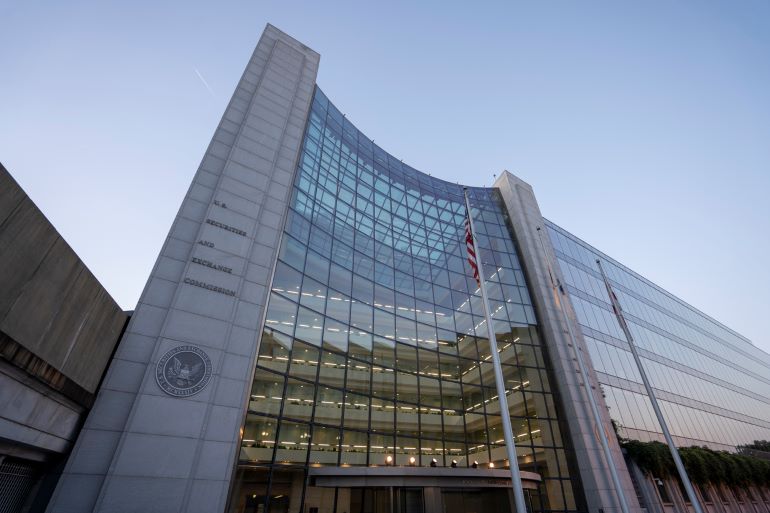
Summary The amended Regulation S-P requires financial institutions to implement comprehensive cybersecurity measures, including incident response readiness, customer notifications, oversight of service providers, expanded safeguards, new recordkeeping standards, and exceptions to annual privacy notices. Compliance deadlines vary based on entity size, with larger entities having 18 months and smaller entities having 24 months to meet … Read more