Key Takeaways:
- GRC compliance tools create structure, but they don’t ensure alignment across a compliance audit program.
- Without a strategic layer, programs built on SOC 2® or HITRUST® often become inefficient as new frameworks like GovRAMP™ are added.
- Late audit involvement increases rework and turns validation into a reactive process.
- Instability tends to surface when the program is under pressure—during expansion, audits, or new requirements.
- Long-term stability comes from aligning tools, strategy, and audit as part of a single system.
Most compliance programs don’t fail in dramatic ways. They tend to shift when something new is introduced like an update to a framework, a customer requirement, new technology within the relevant tech stack, or a regulatory change.
What looked stable starts to feel heavier, slower, and harder to manage.
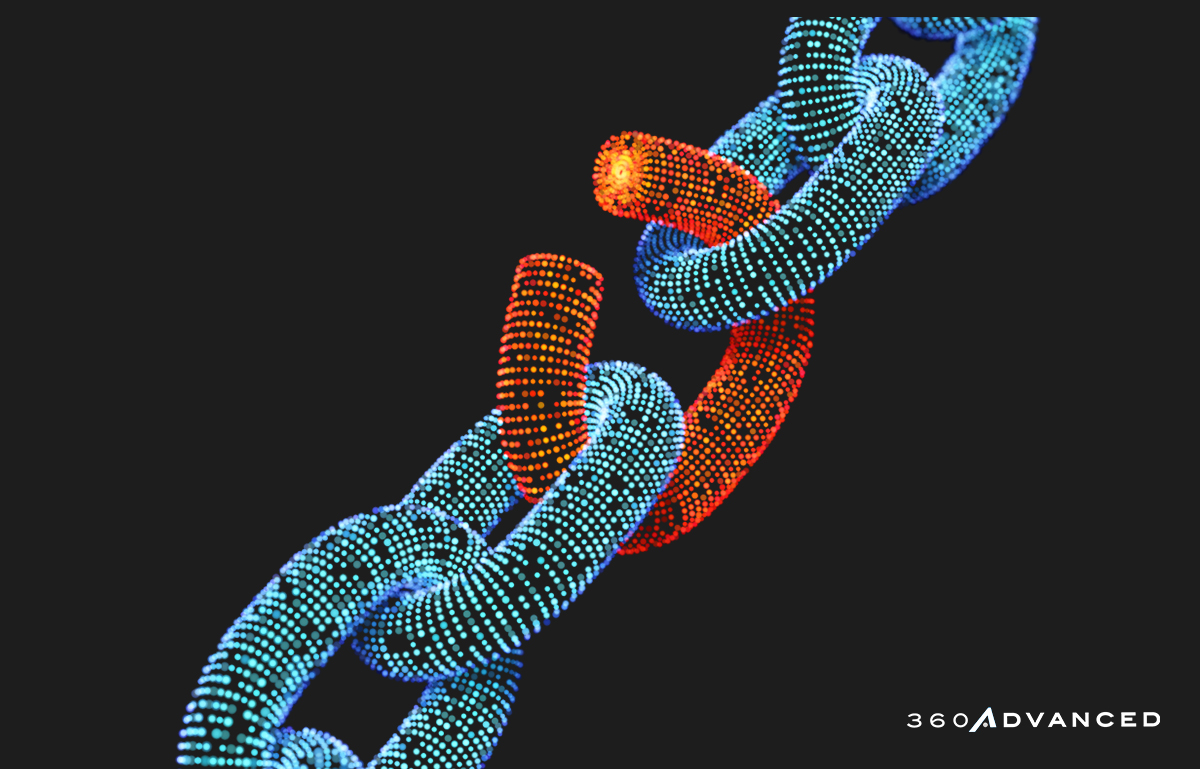
The issue usually isn’t a missed control or a single gap. It’s how the program was built in the first place. When one part of the system is weaker than the others, the whole thing starts to tilt.
In practice, that instability tends to show up in three places:
- Over-reliance on tools
- Lack of strategy and augmentation of the program as things change
- Bringing in an auditor too late
OVER-RELIANCE ON GRC COMPLIANCE TOOLS
GRC compliance tools are often where everything lives. Evidence, controls, workflows all bring structure to what would otherwise be a scattered process. For many teams, that structure creates a sense of confidence.
But over time the focus moves from the program itself to maintaining the tool. Evidence is uploaded, controls are mapped, and dashboards are updated. On the surface, everything looks organized and on track.
Then the audit begins, or the company wants to cover a new framework like GovRAMP or HITRUST when they started with SOC 2, and the cracks start to show. Maybe evidence doesn’t quite align with what’s being asked, or controls don’t translate as cleanly as everyone expected. Documentation exists, but the reasoning behind it isn’t always clear.
The tool did its job by keeping things moving, but it failed to create alignment.
That’s the difference that matters. GRC compliance tools are essential for scale, but they don’t replace the thinking that holds a compliance audit program together.
NO STRATEGIC LAYER BEHIND THE PROGRAM
While no organization ever sets out to build a fragmented compliance program, it can happen gradually if strategic and on-going planning is not part of the program.
A SOC 2 audit gets completed successfully, but then a customer asks if the org is aligned to a different framework or leadership decides to look at a new market that has different requirements. Each step makes sense on its own, but without a clear and holistic strategy guiding those decisions, the program grows unevenly.
The evolution of the compliance program is where the absence of a strategic layer—often a vCISO or equivalent—becomes seen and felt. Controls begin to overlap. Teams solve the same problem more than once. Investments are made quickly, but not always in ways that carry forward.
Nothing is fundamentally broken, but nothing is fully aligned either.
STAT: Only 61% of organizations use risk assessment results to improve their programs
This gap between activity and alignment shows up in the data as well. Recent industry research from NAVEX found that while most organizations say compliance is engaged in risk management, far fewer are actually using risk assessment results to improve their programs—and only a small percentage consider their risk assessment process truly effective.
The work is happening. The coordination isn’t always there.
A strong compliance audit program doesn’t just respond to requirements as they come in. It creates a path between them. It understands what evidence from SOC 2 can support something like GovRAMP, where the real gaps are, and how to build once instead of rebuilding each time.
That kind of continuity requires someone looking across the system, not just working within it.
BRINGING IN THE AUDITOR TOO LATE
In many cases, the auditor is the final step. The program is built out internally, then handed over for validation, which seems efficient, even cost-saving. In reality, it often creates more work.
By the time the audit starts, the program is already set, with the evidence already collected and the documentation reflecting how the team interpreted the requirements at the time.
If that interpretation doesn’t fully align with audit expectations, especially in more structured frameworks like HITRUST, there’s a great chance that the team has to adjust quickly to rework evidence or revisit controls, which, of course, tightens the timeline.
Bringing auditors into the conversation earlier changes the dynamic and creates alignment before everything is finalized. When that alignment is there, the audit becomes a confirmation rather than a series of corrections.
BUILDING A STABLE, STRONG COMPLIANCE PROGRAM
A stable compliance program isn’t defined by how much has been implemented. It’s defined by how well everything connects when conditions change.
That stability comes from balance, as we introduced in a recent blog.
GRC compliance tools provide the operational backbone, while strategic leadership brings direction and consistency. The auditor validates what’s been built and reinforces confidence in the outcome.
When those elements work together, the program feels different. Decisions carry forward. Evidence supports more than one purpose. Audits become more predictable.
The goal isn’t just to keep up with requirements. It’s to build something that holds together as those requirements evolve.